
A King Air Phase 1–4 inspection is a scheduled maintenance program that divides aircraft inspections into four phases to evaluate the airframe, engines, avionics, landing gear, and aircraft systems. Completing all four phases helps maintain airworthiness, reliability, and regulatory compliance.
A Practical Guide for King Air Owners and Operators
The Beechcraft King Air family has earned its reputation as one of the most dependable turboprops in business aviation. Like all aircraft, however, maintaining that reputation requires adherence to a structured inspection program. One of the most important milestones in that program is the completion of the Phase 1–4 inspection cycle.
Understanding what’s involved in a Phase 1–4 inspection helps owners and operators plan for downtime, budget accurately, and avoid surprises. It also creates an opportunity to bundle maintenance with modernization projects that can improve reliability, comfort, and long‑term aircraft value.
While individual King Air models can vary slightly in scope and timing, the Phase 1–4 inspection is designed to thoroughly evaluate the aircraft’s structure, systems, and components over a defined inspection interval. Completing the full cycle confirms continued airworthiness and helps identify developing issues before they lead to unscheduled downtime or AOG events.
What Is a King Air Phase 1–4 Inspection?
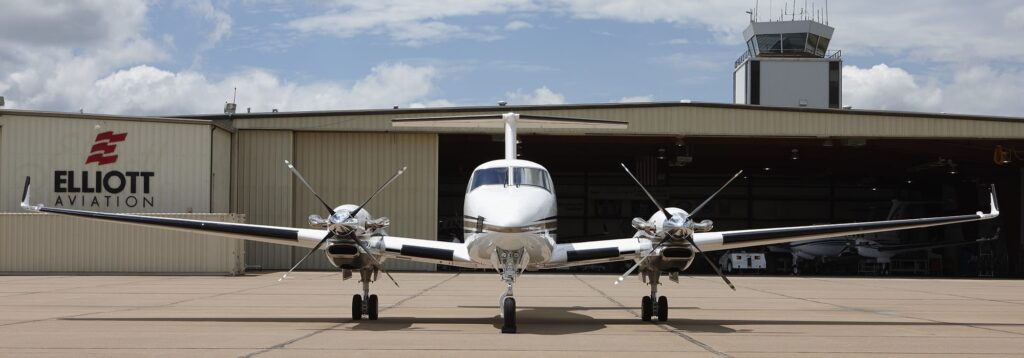
The Phase 1–4 inspection program breaks scheduled maintenance into four distinct inspection events. Each phase targets specific aircraft systems and areas, with the full cycle providing a comprehensive review of the airframe and major systems.
Rather than performing all inspections at once, the phased approach allows maintenance to be spread across operating time. This helps manage costs and aircraft availability while still meeting regulatory and manufacturer requirements.
When an aircraft reaches the point where all four phases are due, it often represents a deeper maintenance visit than a single routine phase inspection. Interior panels may be removed, access points opened, and systems tested in greater detail.
Typical Areas Covered During the Phase 1–4 Cycle
While the exact task list varies by model and maintenance program, a full Phase 1–4 cycle commonly includes inspections and checks in the following areas.
Airframe and Structural Inspections
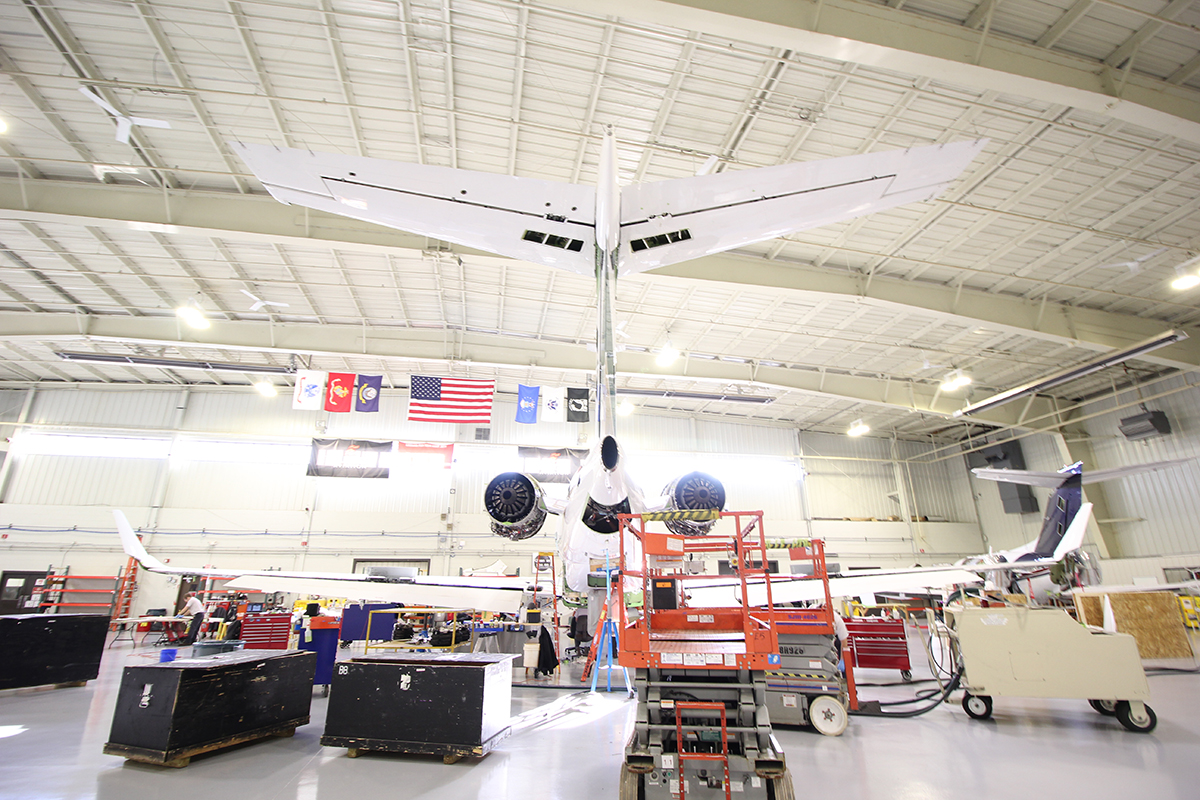
Technicians inspect the fuselage, wings, empennage, and primary structure for signs of corrosion, cracking, or fatigue. Areas that are not visible during routine line maintenance receive special attention once panels and fairings are removed.
Flight Controls and Landing Gear
Flight control components are checked for proper rigging, wear, and security. Landing gear assemblies, shock struts, brakes, and steering systems are inspected and serviced as required to ensure safe ground and flight operations.
Engines and Propellers
Phase inspections typically include borescope inspections, engine trend monitoring reviews, and checks of engine controls and accessories. Propellers are inspected for blade condition, hub integrity, and proper operation in accordance with their maintenance schedule.
Avionics and Electrical Systems
Avionics, navigation, and communication systems are tested for proper function and regulatory compliance. Electrical wiring, connectors, and circuit protection devices are inspected to help prevent intermittent faults and future reliability issues.
Environmental and Cabin Systems
Pressurization, air conditioning, heating, and oxygen systems are inspected and functionally tested. Cabin safety equipment and emergency systems are also reviewed during the inspection cycle.
Downtime and Planning Considerations
Downtime for a full Phase 1–4 visit depends on aircraft condition, findings during the inspection, and whether additional work is added to the visit, however, a standard Phase 1-4 should expect an estimated three-week downtime. Operators can reduce schedule risk by planning well in advance, reviewing logbooks carefully, and addressing known discrepancies before the aircraft arrives at the facility.
This planning approach also allows maintenance teams to coordinate parts availability and minimize unnecessary delays.
A Perfect Opportunity for a Garmin G1000 NXi Upgrade
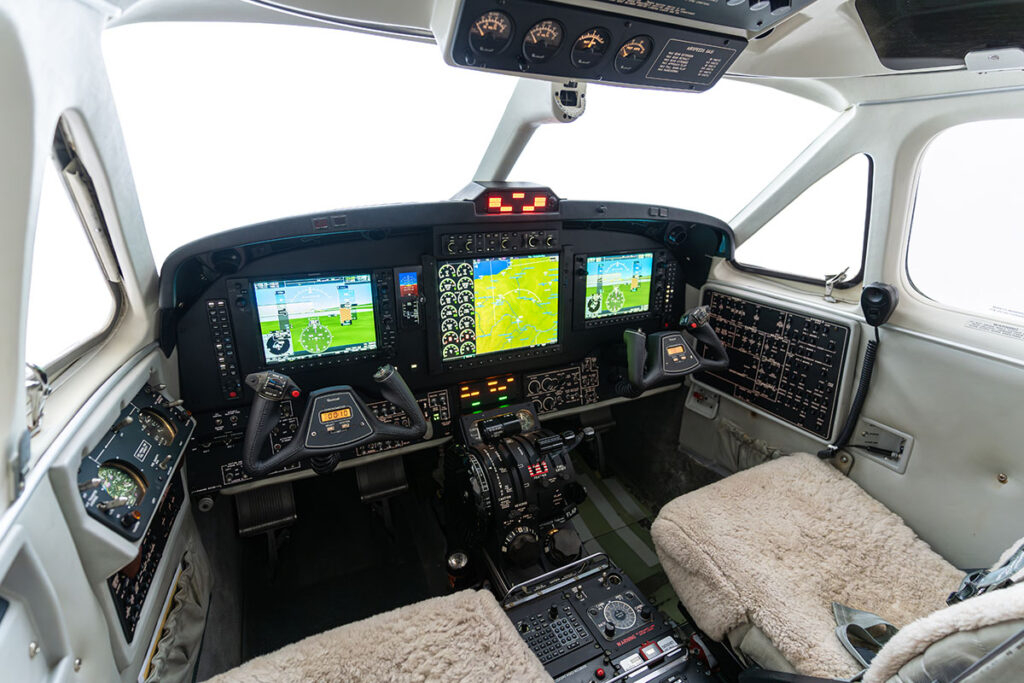
Because a Phase 1–4 inspection often involves opening panels, removing interior components, and extended aircraft downtime, it can be an ideal time to consider avionics upgrades.
For many King Air operators, installing the Garmin G1000 NXi during this visit makes practical and financial sense. Some of the aircraft access required for the installation is already available during a heavy inspection, which can reduce labor duplication and overall downtime compared to scheduling the upgrade as a separate event.
In addition to modernizing the flight deck, a G1000 NXi installation can deliver improved situational awareness, enhanced reliability, and long‑term supportability. For owners thinking about future resale value, avionics modernization during scheduled maintenance can be a strategic investment rather than a disruption.
Pairing Your Inspection with Performance and Payload Upgrades
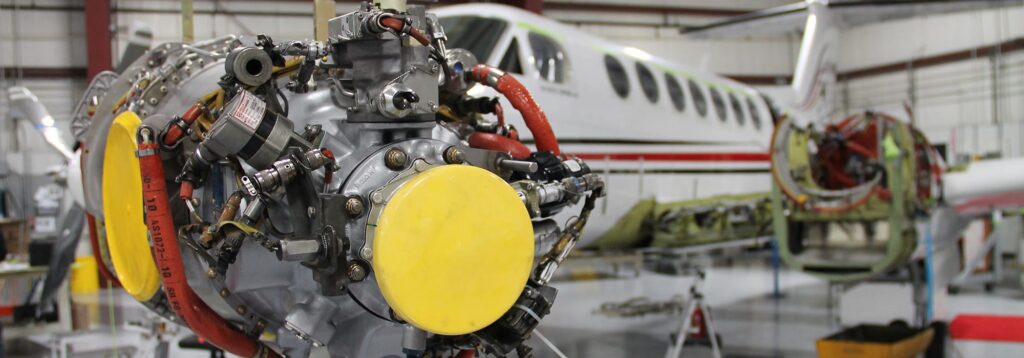
In addition to avionics modernization, a Phase 1–4 inspection is also an ideal time to incorporate performance enhancements and aircraft upgrades from leading aftermarket providers.
Upgrades such as Blackhawk engine upgrades, Raisbeck modifications, and BLR winglets are all commonly installed on King Air aircraft to improve capability, efficiency, and value. Because these upgrades often require access to engine mounts, wings, or structural components, performing them during a major inspection can significantly streamline the installation process.
Examples of upgrades frequently paired with a Phase 1–4 inspection include:
- Blackhawk engine upgrades, which can deliver major improvements with better climb performance, higher cruise speeds, and increased payload capability
- Raisbeck systems, such as dual aft body strakes or swept blade propellers, are designed to enhance aerodynamic efficiency and operational performance
- BLR winglets and performance kits, which can improve climb, reduce fuel burn, and enhance overall aircraft handling
By combining these modifications with scheduled maintenance, operators can often reduce overall downtime and eliminate the need to take the aircraft out of service multiple times. Just as importantly, performing these upgrades in conjunction with a major inspection allows maintenance teams to fully assess aircraft condition and ensure all systems are optimized to support the upgraded configuration.
For owners focused on mission capability and long‑term value, bundling performance upgrades with a Phase 1–4 inspection can be a highly efficient and strategic decision.
Combining Maintenance with Paint and Interior Upgrades
The Phase 1–4 inspection window is also an excellent time to consider paint and interior upgrades. With the aircraft already out of service and partially disassembled, combining maintenance with cosmetic or cabin improvements can significantly reduce total downtime.
Common projects owners choose to bundle with a Phase 1–4 inspection include:
- Interior soft goods refresh or full cabin refurbishment
- New veneer, seating, or flooring
- Cabin lighting upgrades
- Exterior paint refurbishment or complete repaint
Combining these projects allows teams to coordinate schedules, share labor access, and deliver the aircraft back as a fully refreshed asset rather than returning it to service only to take it down again later.
Protecting Reliability and Long Term Value
Completing the Phase 1–4 inspection on schedule does more than satisfy regulatory requirements. It plays a key role in protecting reliability, dispatch availability, and long‑term aircraft value.
Well‑documented maintenance, paired with smart modernization decisions, gives future buyers confidence in the aircraft and helps prevent costly in‑service failures. For many King Air owners, the Phase 1–4 inspection is not just a maintenance event but a strategic moment to reset the aircraft for years of dependable operation ahead.
Frequently Asked Questions
How often does a King Air Phase 1–4 inspection occur?
A King Air Phase 1–4 inspection is performed at scheduled maintenance intervals based on the aircraft model and manufacturer’s maintenance program.
How long does a King Air Phase inspection take?
A standard Phase 1–4 inspection typically requires about three weeks, depending on the aircraft’s condition and any additional work performed.
What is included in a King Air Phase 1–4 inspection?
The inspection covers the airframe, engines, propellers, avionics, landing gear, flight controls, electrical systems, and cabin systems to verify airworthiness and reliability.
Can a Garmin G1000 NXi be installed during a Phase inspection?
Yes. A Phase 1–4 inspection is an ideal time to install a Garmin G1000 NXi because the aircraft is already opened for maintenance, helping reduce labor and downtime.
What performance upgrades can be completed during a Phase inspection?
Common upgrades include Blackhawk engine upgrades, Raisbeck performance modifications, and BLR winglets, which can improve performance, efficiency, and aircraft value.