

A Practical Guide for Challenger Operators
The Bombardier Challenger 604 has an amazing reputation for reliability, range, and cabin comfort. Like any other business jet, it has to comply with the structured maintenance program. This is to ensure the aircraft is safe, legally compliant, and maintains peak operating performance. One of the program’s most foremost milestones is the 48-month inspection.
The 48-month inspection is often referred to as a “heavy check” for the Challenger 604. It is one of the most comprehensive checks done on aircraft structure and systems. It exceeds the routine inspections and may also focus on other ageing items to improve reliability and preserve the long-term value of the aircraft. Each of the owners and operators know what to expect, and as a result, they can plan for downtime of the aircraft, do a more accurate budget, and avoid surprises.
With all the maintenance that will occur, the 48-month inspection is a good time to consider any modernization projects. This is because the aircraft will be down for a long time and will be partially taken apart. This will make it easier to implement any large adjustments with a minimal impact on the operations.

The 48-month inspection is designed to catch issues that develop slowly over time and are not visible during day-to-day operation. This visit confirms the aircraft’s continued airworthiness and helps prevent in-service failures that can lead to costly AOG events.
This inspection also plays a role in asset protection. Thorough, well-documented heavy maintenance supports resale value and gives future buyers confidence in the aircraft’s condition. For many owners, this is also a strategic moment to bundle upgrades or cabin refresh work into the same downtime window.
Owners who are considering major upgrades such as a Pro Line Fusion avionics upgrade, new paint, or a full interior refurbishment should plan those projects around the 48-month inspection. Since access panels are open and the aircraft is already scheduled to be out of service, combining maintenance and modernization into a single visit can significantly reduce total downtime compared to scheduling them as separate events.
What’s Included in a Challenger 604 48-Month Inspection
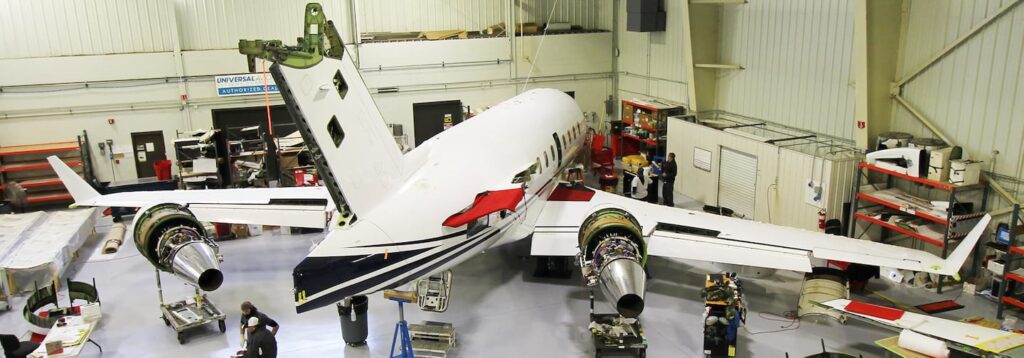
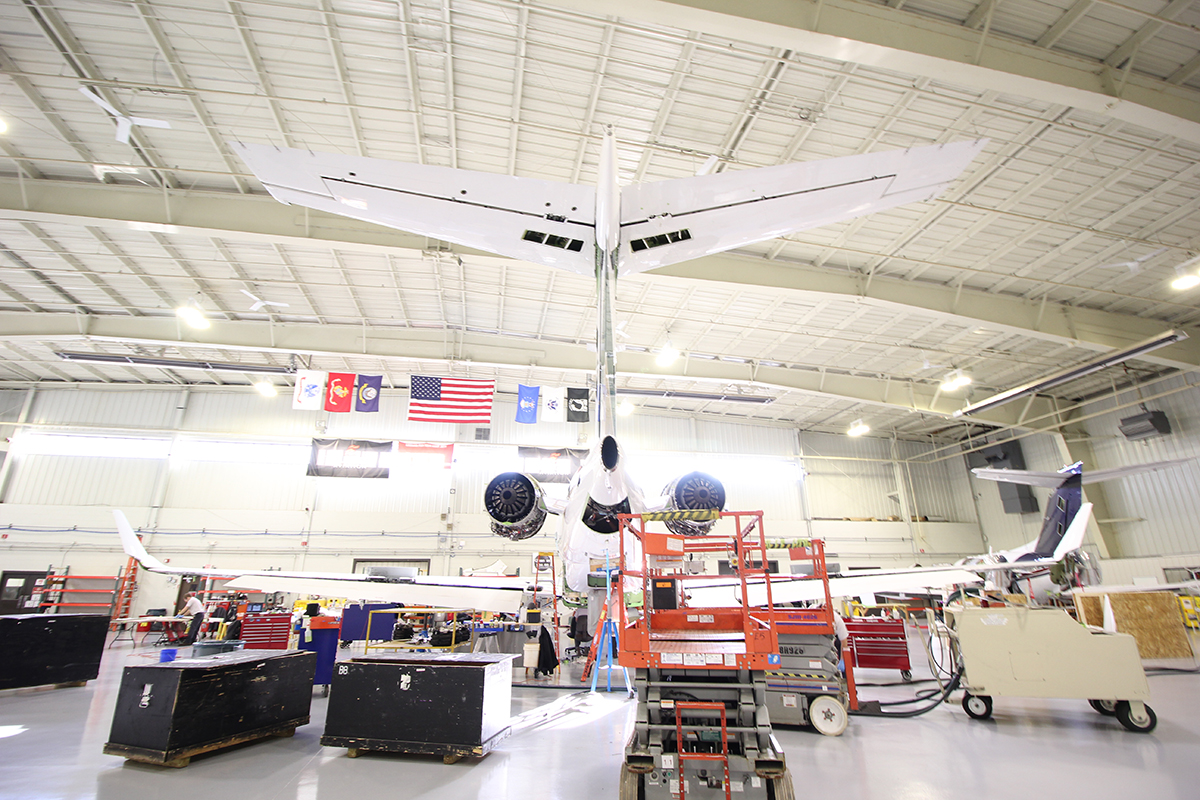
The scope of work is extensive and touches most major systems on the aircraft. Access panels are opened, interior components may be removed for access, and technicians perform detailed inspections in areas that are not visible during routine line maintenance.
Lorem ipsum dolor sit amet, consectetur adipiscing elit. Ut elit tellus, luctus nec ullamcorper mattis, pulvinar dapibus leo.
Airframe and Structural Inspections
The fuselage, wings, empennage, and primary structure are inspected for corrosion, cracking, and fatigue. Non-destructive testing may be used in specific areas to identify issues before they become structural concerns. Corrosion prevention and treatment are common focus areas on aircraft that have seen varied operating environments.
This phase of the inspection pairs well with major paint work. Since the aircraft is already being evaluated structurally and prepared for extended downtime, many operators choose to schedule a full paint strip and repaint during the same visit. This allows underlying corrosion or surface defects to be addressed comprehensively while refreshing the aircraft’s exterior appearance and protecting long-term value.
Flight Controls and Control Surfaces
Ailerons, elevators, rudder systems, and associated linkages are inspected for wear, proper rigging, and smooth operation. Actuators, bearings, and attachment points are evaluated to ensure control integrity and continued safe operation.
Hydraulic, Fuel, and Pneumatic Systems
Lines, fittings, pumps, valves, and reservoirs are checked for leaks, contamination, and age-related degradation. Components nearing life limits are often replaced proactively to improve reliability and reduce the chance of unscheduled maintenance after the aircraft returns to service.
Electrical and Avionics Systems
Wiring bundles, connectors, circuit protection, and avionics interfaces are inspected for chafing, heat damage, and loose connections. This is also a common time to address nuisance faults that may not impact dispatch reliability but create recurring maintenance write-ups.
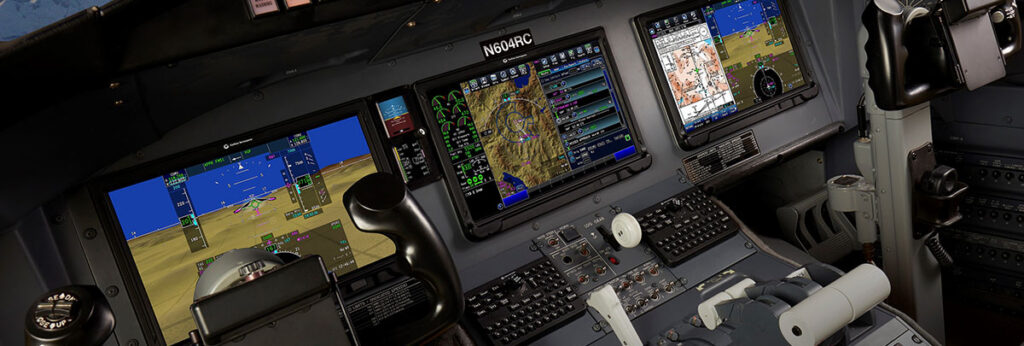
Because avionics access is already part of the 48-month inspection scope, many operators choose this window to complete a Pro Line Fusion upgrade. Integrating the upgrade into the same downtime period can streamline installation planning, reduce repeat access to avionics bays, and minimize additional time out of service compared to performing the upgrade separately.
Landing Gear and Braking Systems
The landing gear, wheels, and brakes receive detailed attention. Wear items are evaluated, lubrication and servicing are performed, and components are inspected for corrosion or damage. Addressing gear-related issues during scheduled downtime can prevent costly operational disruptions later.
Cabin Access and Interior Systems
Interior panels, flooring, and access points are opened to reach the underlying structure and systems. This often reveals wear items that are otherwise hidden. Because the cabin is already opened up, many owners choose to incorporate interior improvements or minor refresh work during the same visit.
For operators planning major interior upgrades, the 48-month inspection is one of the most efficient times to complete that work. Full interior refurbishments, new soft goods, veneer updates, and layout enhancements can be completed in parallel with maintenance. This is also an ideal time to integrate cabin technology and lighting upgrades, such as Prizm Cabin Lighting or the Starlight headliner by Prizm. Since the headliner, sidewalls, and interior panels are already removed or accessible, these upgrades can be installed more efficiently and with less incremental downtime.
Service Bulletins, ADs, and Optional Upgrades
The 48-month inspection is an efficient time to address open service bulletins and airworthiness directives. Since much of the aircraft is already open for access, incorporating these items during a heavy check can reduce total downtime compared to doing them as standalone events.
Many operators also take advantage of this visit to plan upgrades. Avionics enhancements, connectivity improvements, cabin technology, lighting upgrades, or cosmetic refresh work can be bundled into the same downtime window. This approach minimizes future disruptions and consolidates labor costs. When combined with projects such as Pro Line Fusion upgrades, new paint, full interior refurbishments, or Prizm lighting and headliner installations, operators can complete multiple high-impact improvements in one coordinated maintenance visit.
How Long Does the 48-Month Inspection Take
Downtime varies based on aircraft condition, findings during the inspection, parts availability, and any elective work added to the scope. In general, operators should plan for several weeks of downtime. Older aircraft or those with deferred items may require additional time if corrosion or structural findings are discovered.
When modernization projects such as avionics upgrades, paint, or interior refurbishment are added to the scope, total downtime will increase. However, completing these projects during a scheduled heavy inspection often results in less overall downtime than scheduling each project separately over multiple future visits.
Good planning is the difference between a smooth project and a frustrating one. Early scheduling, clear scope definition, and proactive parts planning can significantly reduce delays.
How to Prepare for the Inspection
Preparation should begin months before the aircraft is due.
- Review maintenance records and logbooks to confirm compliance status.
- Identify any recurring issues that should be addressed during the visit.
- Decide in advance whether upgrades or interior work will be included.
- Coordinate with your maintenance provider on parts lead times and scheduling.
- If upgrades such as Pro Line Fusion, paint, interior refurbishment, or Prizm lighting are being considered, those conversations should happen early. Long lead items, design approvals, and material selections can impact the overall schedule if not planned in advance.
A clear work scope and realistic schedule reduce surprises and help keep the project on track.
Choosing the Right Maintenance Partner
Not all maintenance providers have the same level of experience with Challenger 600-series aircraft. A facility with deep type experience, factory-trained technicians, and strong project management can dramatically improve both quality and turnaround time.
Look for a provider that offers clear communication, transparent estimating, and experience managing heavy inspections on the Challenger 604 specifically. The right partner will help you plan the visit, control costs, and coordinate maintenance with major upgrade projects so the aircraft returns to service on schedule.
Final Thoughts
The Challenger 604 48-month inspection is one of the most important maintenance events in the aircraft’s lifecycle. It protects safety, supports long-term reliability, and preserves aircraft value. With proper planning and an experienced maintenance partner, it can also be an opportunity to improve the aircraft, not just maintain it. When paired with major upgrades such as Pro Line Fusion, new paint, a refreshed interior, or Prizm cabin lighting and headliner enhancements, the 48-month inspection becomes a strategic moment to elevate both the performance and appearance of the aircraft in a single, well-coordinated visit.