
Inflight Internet Installation: Infrastructure, Challenges, and Aviation Innovations
Modern aviation is no longer just about reaching a destination—it is about staying connected throughout the journey. From corporate jets to commercial fleets, inflight internet is now an operational requirement instead of a luxury. However, it is a complicated interplay of onboard hardware, satellite networks, and regulatory compliance that provides reliable connectivity at 40,000 feet.
The Core Infrastructure Behind Connectivity

At the core of any inflight internet system is a multi-layered system that is meant to ensure a stable flow of data between the aircraft and ground or satellite networks. The primary components include:
- Antenna systems mounted on the fuselage (often in a radome)
- Modems and routers within the aircraft cabin.
- Satellite connectivity or air-to-ground.
- Cabin distribution network (Wi-Fi points).
Satellite-based connectivity is dominant for long-range and high-altitude operations. The aircraft relies heavily on Low Earth Orbit satellites , particularly low-orbit satellite internet that has lower latency than the older geostationary satellites. Such infrastructure allows the transfer of data at a higher speed and hence real-time applications such as video conferencing are now practical even during flight.
The Rise of Satellite-Based Aviation Connectivity
Aviation is also quickly turning into advanced satellite solutions, like Starlink for airplanes, which utilize dense constellations of LEO satellites. These systems cause a huge decrease in latency (usually less than 50 ms) and enhance bandwidth capacity.
LEO-based solutions, unlike the older Ku- or Ka-band systems, are connected continuously with the switching of satellites as the aircraft traverses. This requires advanced tracking antennas and handoff procedures to make sure that there is no discontinuity, even when traversing oceans or distant areas.
For operators, such a transition implies the redesign of aircraft architecture that supports greater data throughput and improved integration of avionics.
Aircraft Integration and Engineering Considerations
Implementing starlink airplanes installation is not a plug-and-play task. It entails major structural and electrical changes, including:

- Strengthened attachment of external antennas.
- Power supply modification to support high-performance terminals.
- Integration with other avionics system.
- Thermal control to avoid overheating of the onboard equipment.
Moreover, weight and aerodynamic drag are very important factors. Even a small modification in the exterior part of the aircraft can affect the fuel consumption. The engineers are required to establish a balance between the performance and the cost of operation, and the installation should not affect the efficiency of the aircraft.
Delivering Seamless Cabin Connectivity
After the external connection has been made, the next challenge is the distribution of connectivity in the aircraft. This is where airborne wifi systems can be used.
Cabin connection depends on strategically located wireless access points, optimized for:
- Balanced distribution of the signals in the cabin.
- Less interference from aircraft materials.
- High user density support.
New systems are intended to be able to support a large number of devices at once, streaming, VoIP, and cloud-based applications. This is aimed at getting all the performance of the ground-level internet as close as possible, even under a very constrained setting.
Expanding Connectivity to General Aviation
Although commercial airlines have led the adoption of the curve, there is a growing uptake of general aviation wifi among the operators of private jets, charter operations, and business aviation fleets.
The need in this segment is driven by:
- Corporate productivity needs.
- The demand for passengers to have constant connectivity.
- Inter-operator competitive differentiation.
Smaller aircraft have, however, other limitations including reduced space, less power supply and tighter weight restrictions. This has seen the creation of small, lightweight connectivity solutions specifically to be used in the general aviation platforms.
Installation Complexity and Operational Downtime
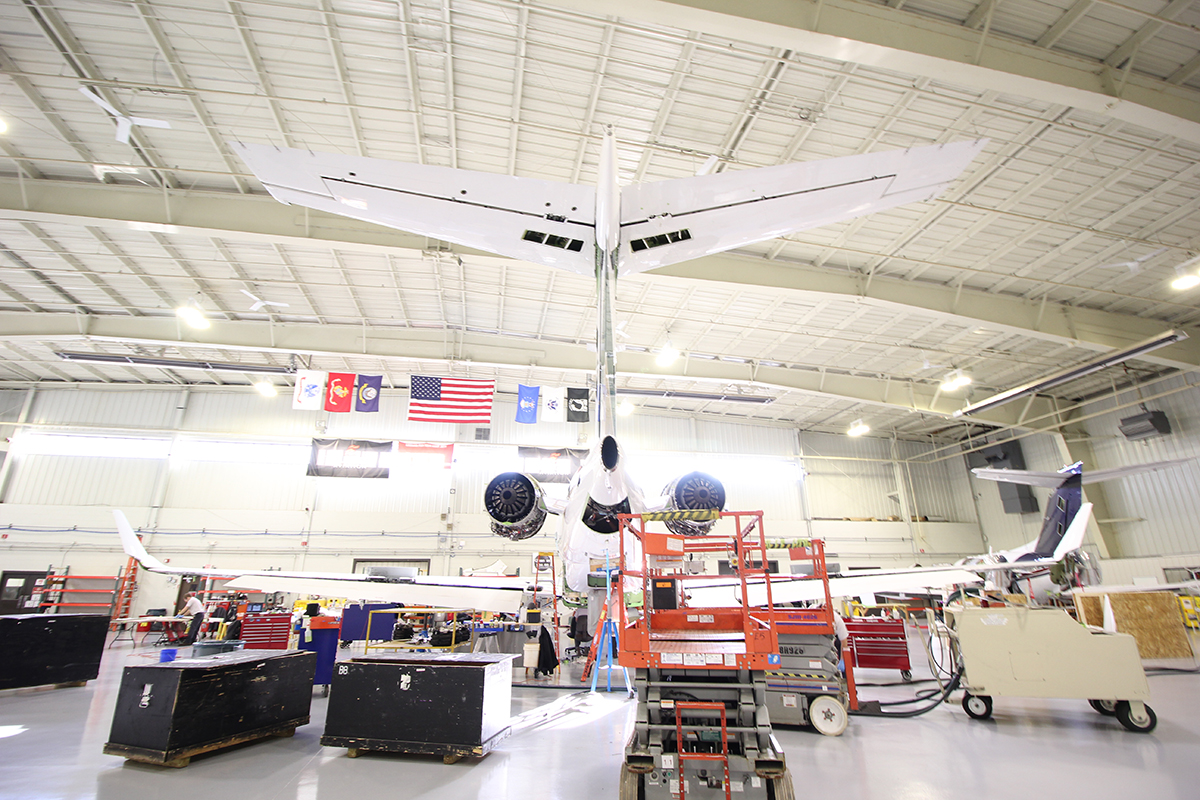
Reducing downtime among the aircraft is one of the most critical issues when implementing the in-flight internet installation systems. Installation often need:
- Several days of grounding of aircraft.
- Formal changes and experimentation.
- Certification approvals.
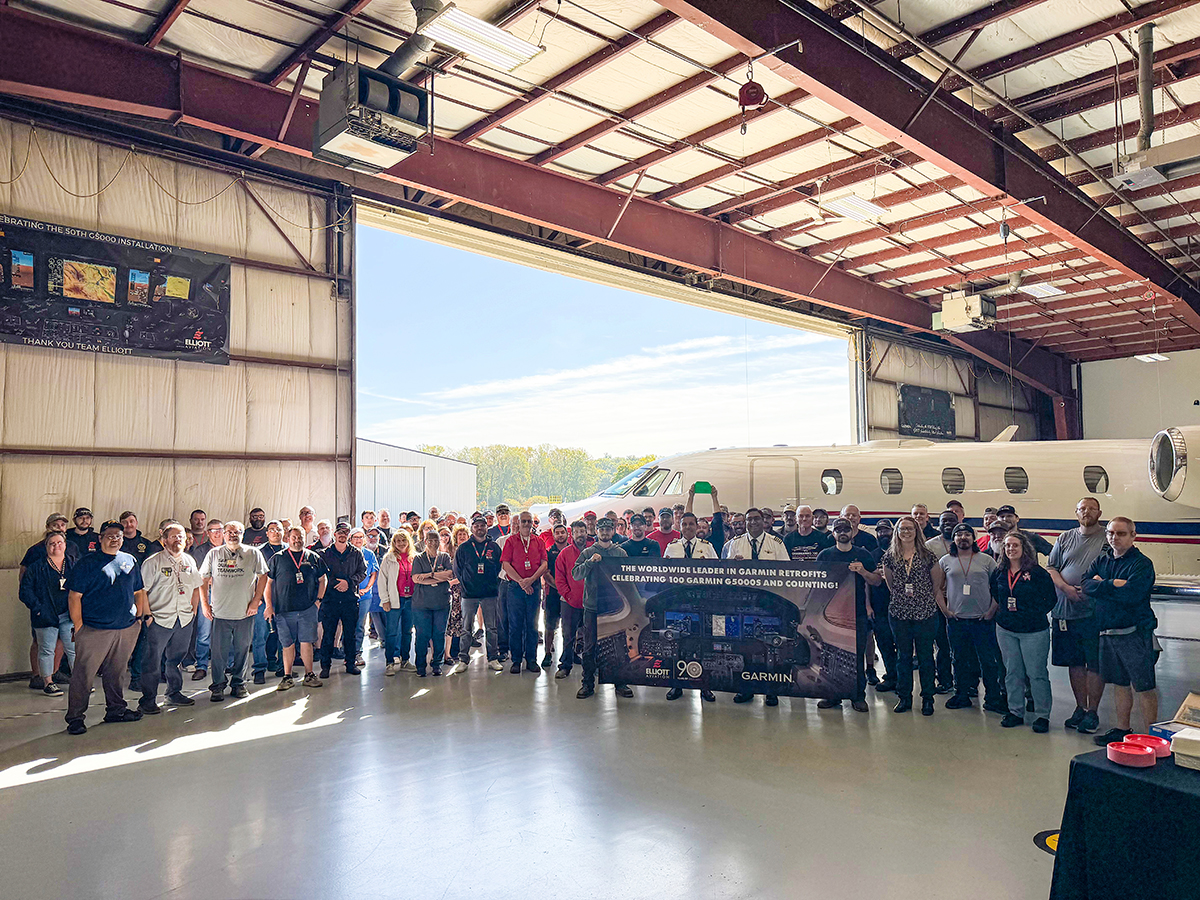
To manage this, aviation service providers such as Elliott Aviation invest in simplified installation procedures, certified solutions, and an efficient integration process. Minimizing downtime directly affects the profitability of the operators, and installation efficiency is one of the major distinguishing factors.
The Future of Aviation Connectivity
The future of aviation connectivity is currently being defined by improvements in satellite technologies, network optimization and onboard systems. Innovations include:

- Multi-orbit satellite integration (LEO-GEO hybrid systems).
- Artificial intelligence-based bandwidth management to maximize performance.
- Increased cybersecurity measures for secure transmission of data.
- Higher throughput antennas with reduced drag profiles.
As starlink airplane installation and similar technologies mature, the gap between the ground and air connectivity will keep on decreasing. The future airplanes can enable complete digital experiences, including real-time collaboration and high-quality streaming without disconnection.
Conclusion
The development of inflight internet is making aviation a fully connected ecosystem. It can range from sophisticated satellite networks to hyper-accurate onboard systems, all of which are instrumental in providing a smooth connectivity solution. As an operator, investing in new solutions such as Starlink o and efficient airborne wifi infrastructure is not a choice anymore, but a necessity in order to satisfy current expectations. With ongoing innovations and expert installation capabilities from providers like Elliott Aviation, the future of connected flight is not just promising—it is already taking shape.
Upgrade your aircraft with next-generation connectivity solutions—partner with Elliott Aviation for reliable, high-performance inflight internet installation tailored to your fleet.